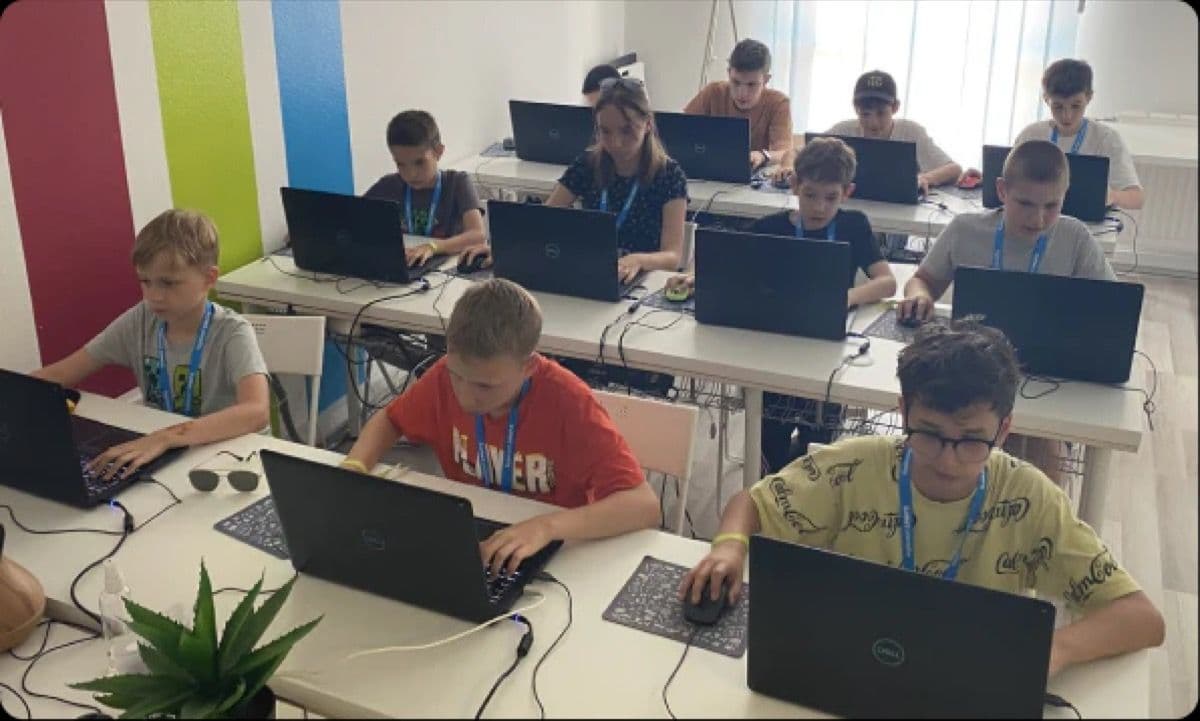
Expert facilitators from Robotixkids deliver programmes at your school
Training platform and resources from Inspire Africa
Multi-learner STEM kits with bulk pricing for schools
Online STEM courses on the Inspire Africa platform
Looking for something else?
View all our education solutions and find the right fit for your school.

Brand: ELECFREAKS
Turn your micro:bit into a real electronics lab, no breadboard or soldering iron required

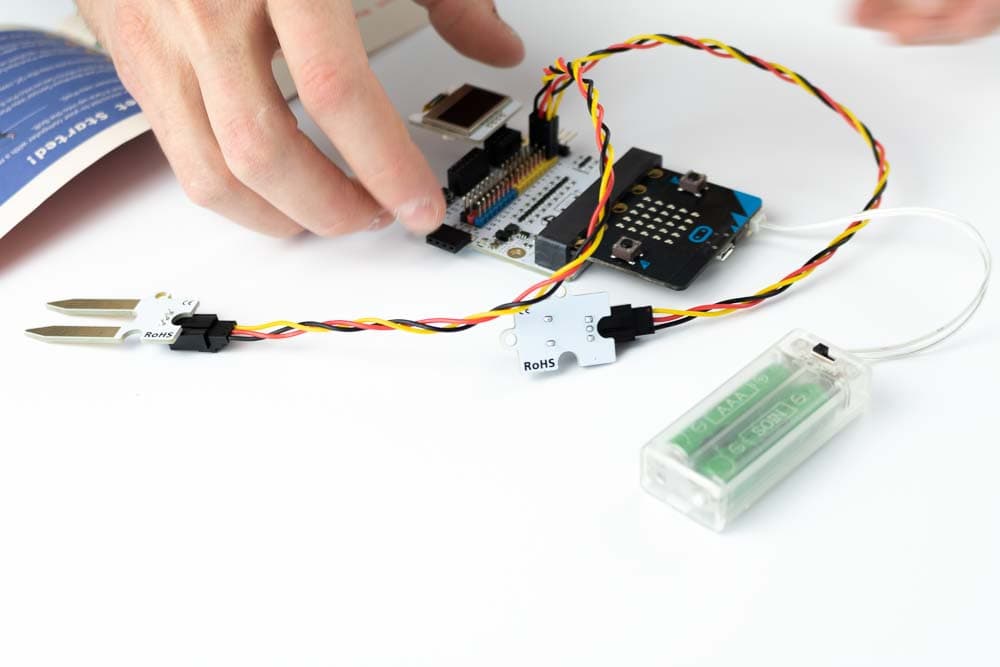
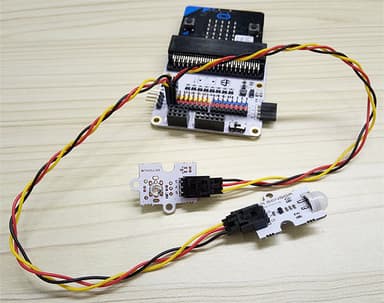
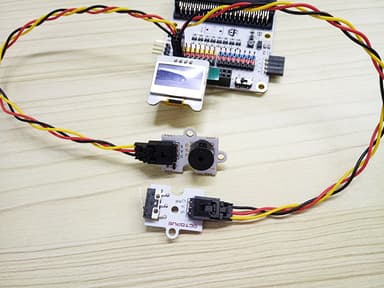
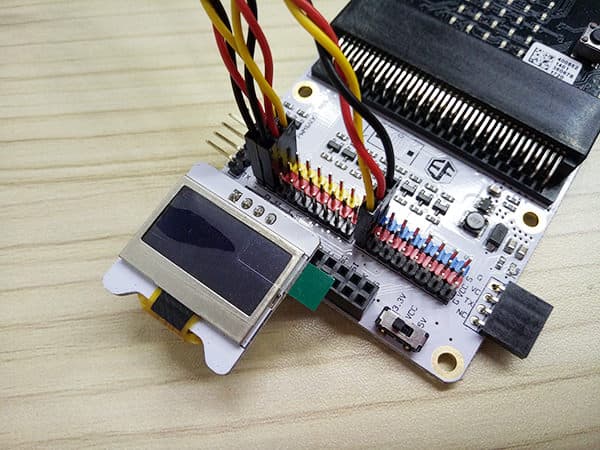
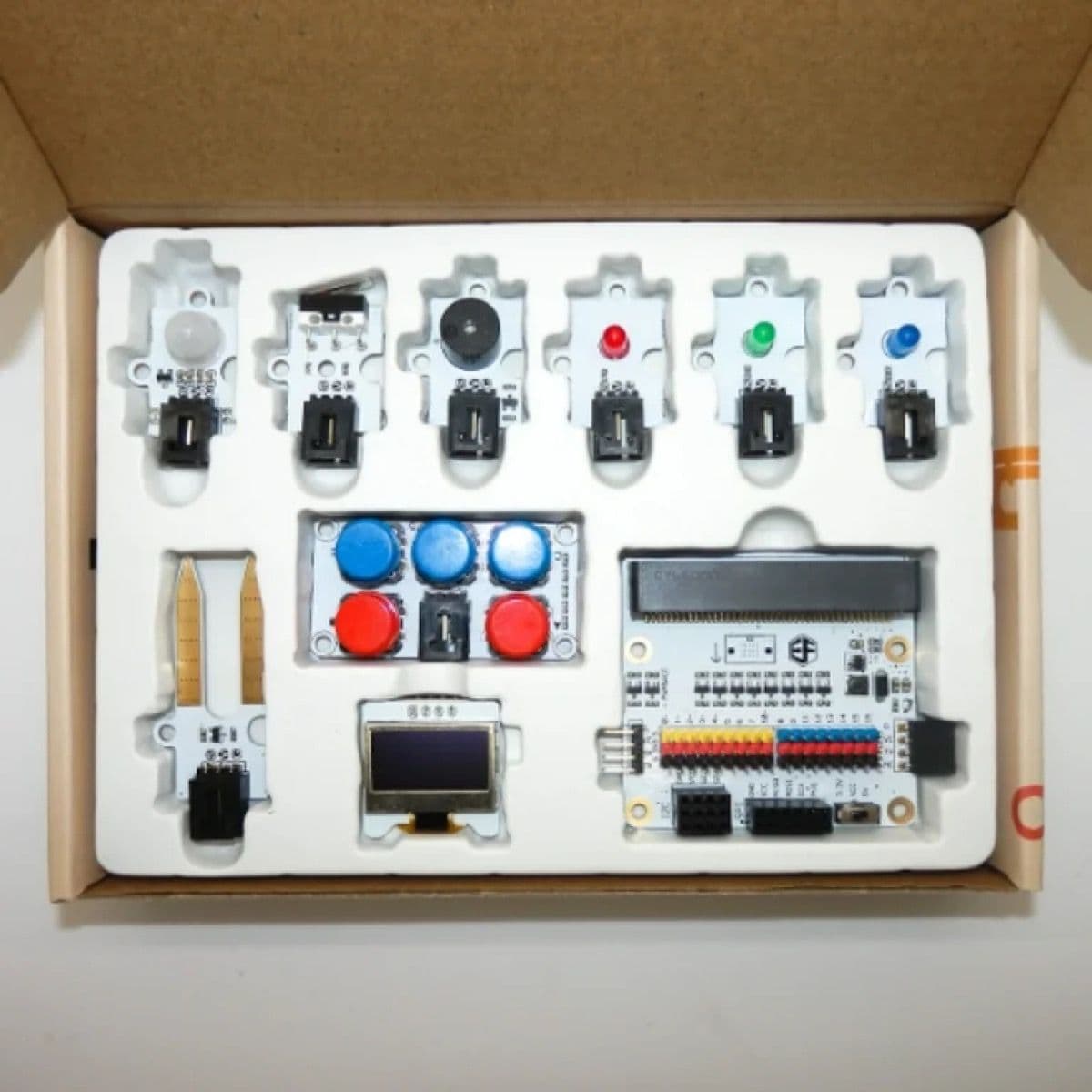
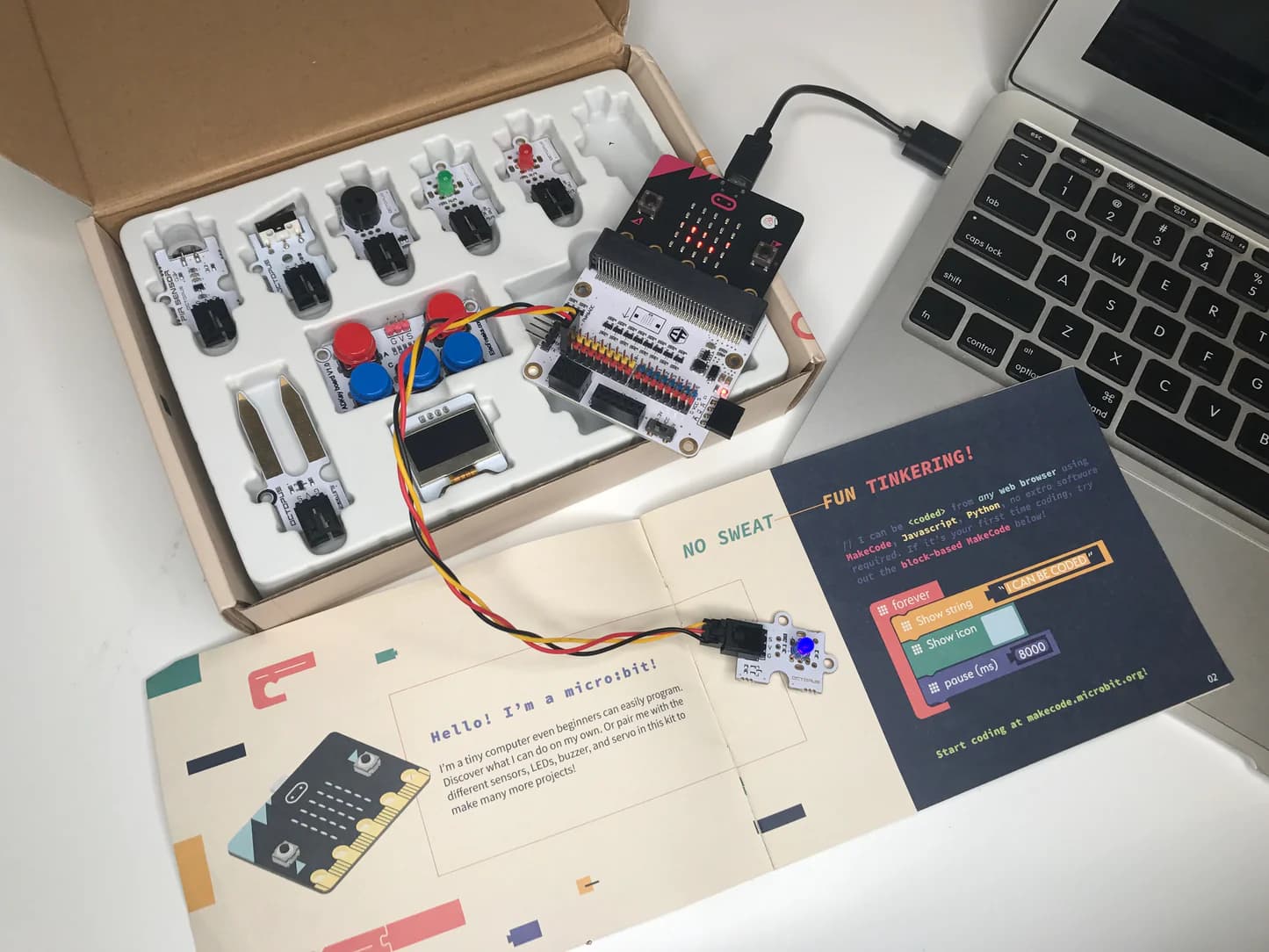
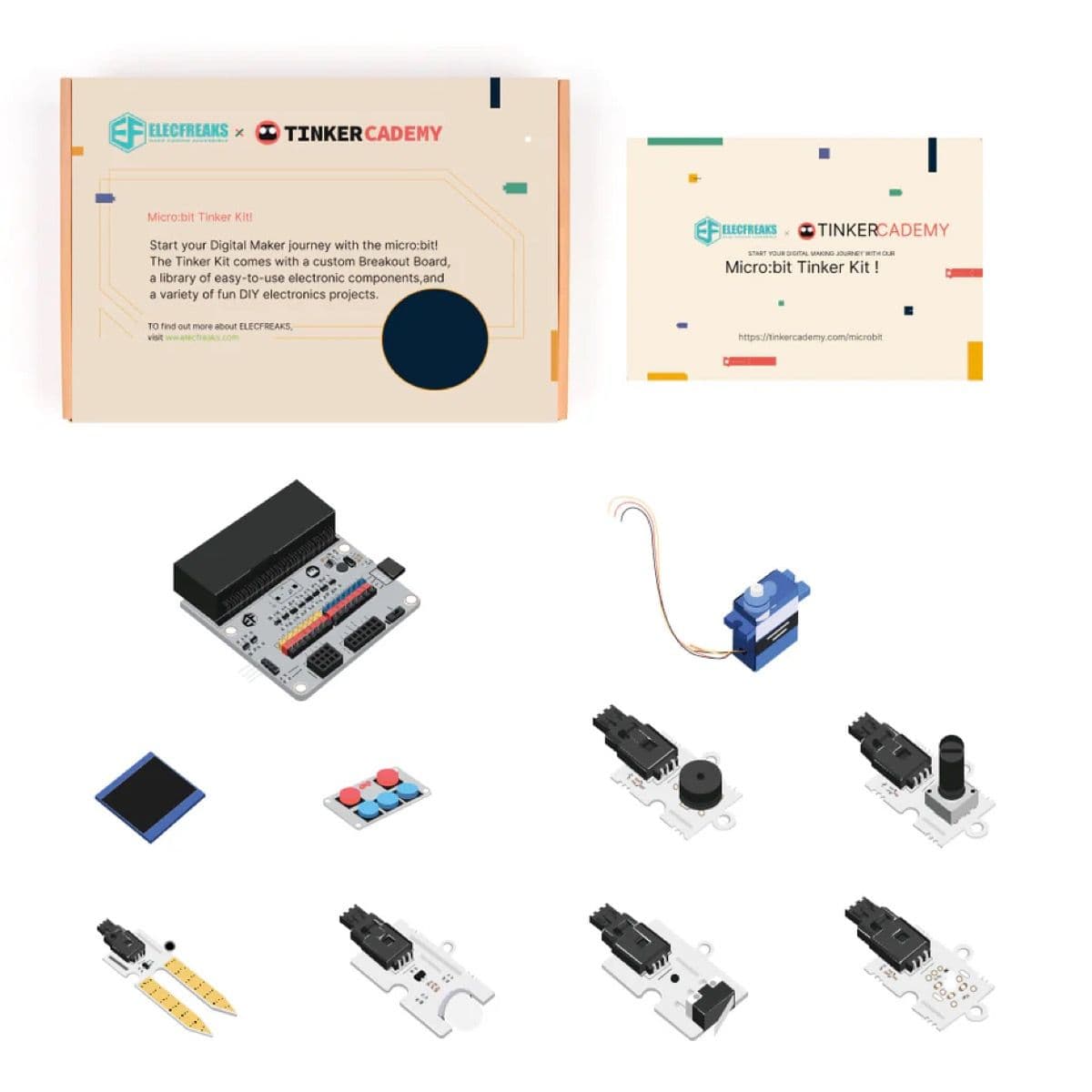
The micro:bit on its own is a powerful little computer, but the Tinker Kit is what turns it into a proper electronics lab. The included Octopus:bit expansion board breaks out all of the micro:bit's ports into colour-coded connectors, so your child simply plugs in a sensor and starts coding. No breadboard, no jumper wire diagrams, no confusion. All 13 modules connect the same way every time, whether you're plugging in the PIR motion sensor, the soil moisture probe, the servo motor, the buzzer, or the OLED display. Your child can focus on what they're building, not on how to hook it up.
The Tinker Kit is built to reduce friction so your child spends more time learning and less time untangling wires.
Colour-coded 3-pin connectors click into the breakout board, no breadboard or wiring diagrams needed.
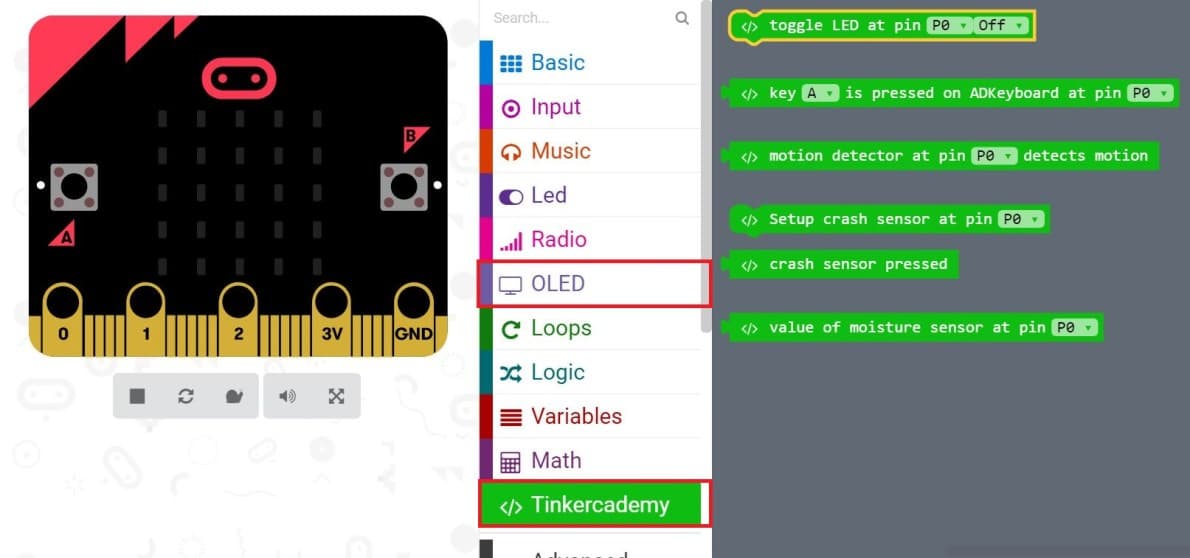
Every sensor has its own custom MakeCode extension. Drag in a block labelled 'read soil moisture' and it works.
All 39 projects have free step-by-step guides at the ELECFREAKS Wiki. No printed book to lose track of.
Projects range from a simple alarm box to a self-driving car and a Morse code transmitter.
The Octopus platform has hundreds of compatible sensors. Add ultrasonic, colour, or temperature modules as skills grow.
All connections are plug-in, safe for children to use at home with no specialist tools needed.

There's a moment every maker remembers: the first time their code made something in the real world happen. A light came on, a buzzer sounded, a servo turned in exactly the right direction. The Tinker Kit is full of those moments. Your child writes a few blocks of code, presses download, and watches their plant monitor check moisture levels, or their intruder alarm trigger when someone enters the room. The projects are built to be useful, not just instructional, which is why children keep coming back.
39 hands-on projects with step-by-step online tutorials
Projects progress from beginner automations to games to advanced engineering builds. Start wherever your child is. There's no set order.

Build a motion-activated light using the PIR sensor that turns on automatically when someone enters a room.
Learn: Motion sensing, conditionals

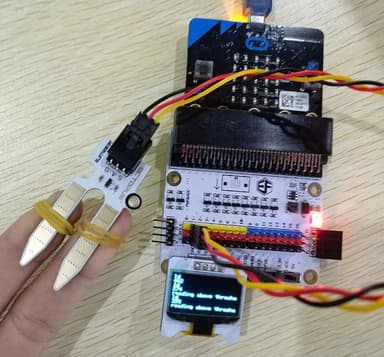
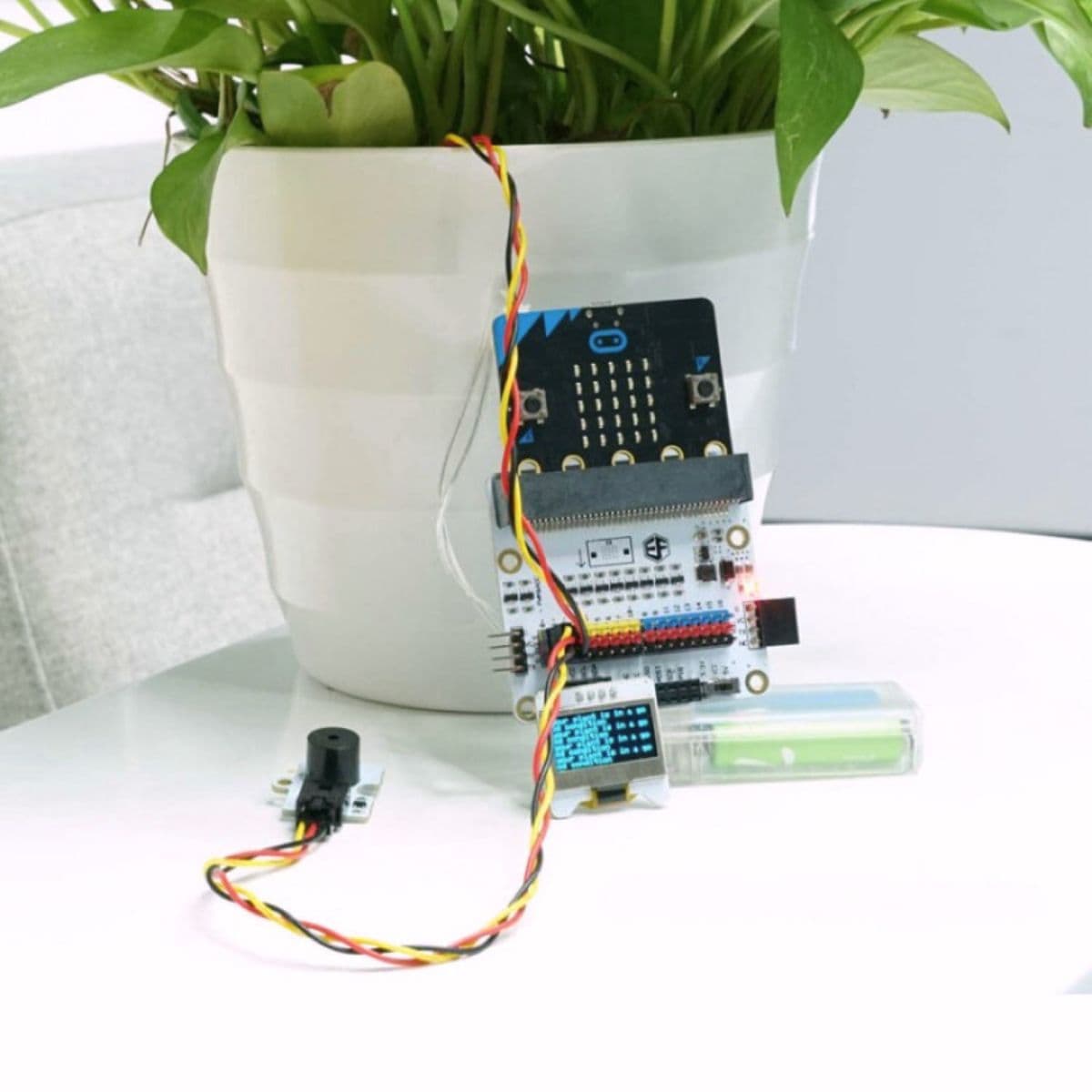
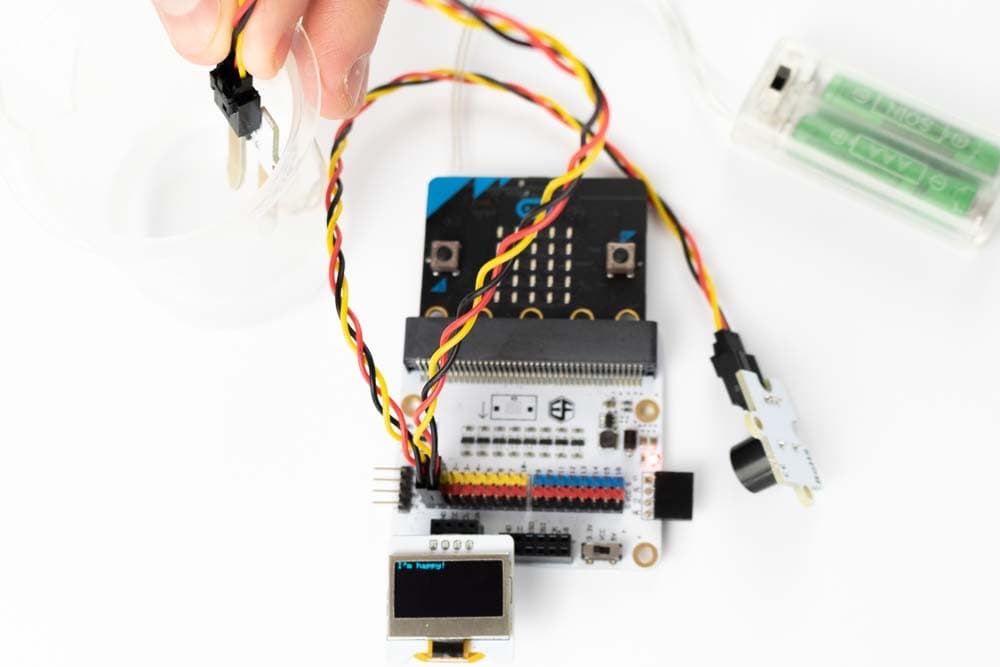
Read soil moisture levels and display alerts when your plant needs water. A real IoT device.
Learn: Analog sensors, OLED display, thresholds

Set up a PIR-based alarm that sounds when motion is detected in a defined area.
Learn: Event-driven programming, alarm output

Repurpose the moisture sensor as a galvanic skin response detector. The micro:bit measures nervousness.
Learn: Data comparison, statistics, biology meets electronics

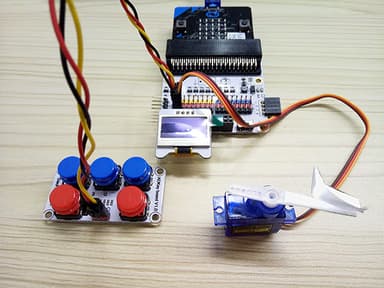
Program the servo to rotate at timed intervals for a genuinely useful automated feeder.
Learn: Servo control, time-based programming, automation

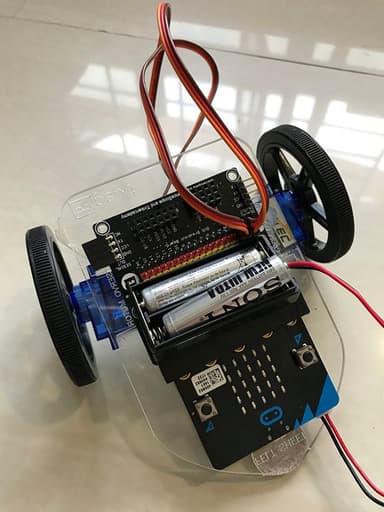
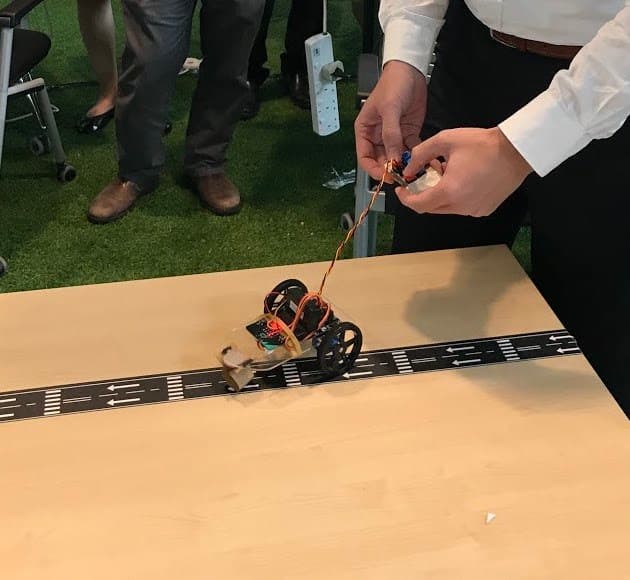
Assemble an acrylic car chassis with two servo motors and program it to drive autonomously.
Learn: Motor control, hardware assembly, directional programming
Plus 33 more: Music Machine, Electro-Theremin, Flappy Bird, Snake Game, Space Shooter, Security Door, Morse Code Transmitter, and more
Real projects built with the Tinker Kit, from classroom first builds to DIY home sensors.


| Compatibility | BBC micro:bit V1 and V2 |
| Breakout Board | Octopus:bit (EF03405) |
| Voltage | 3.3V / 5V switchable via hardware switch |
| Programming | MakeCode (blocks), JavaScript, MicroPython |
| Power | 2 × AAA batteries or USB (5V) |
| Electronic Modules | 13 (plus jumper wires) |
| Project Cases | 39 (free online wiki tutorials) |
| Servo Torque | 1.6 kg/cm |
| Display | 0.96" OLED (128 × 64 pixels) |
| Package Dimensions | 192 × 135 × 38 mm |
| Weight | ~250g |
| Soldering Required | No |
39 projects, real sensors, and code that actually does something. Give your child the kit that grows with them.